
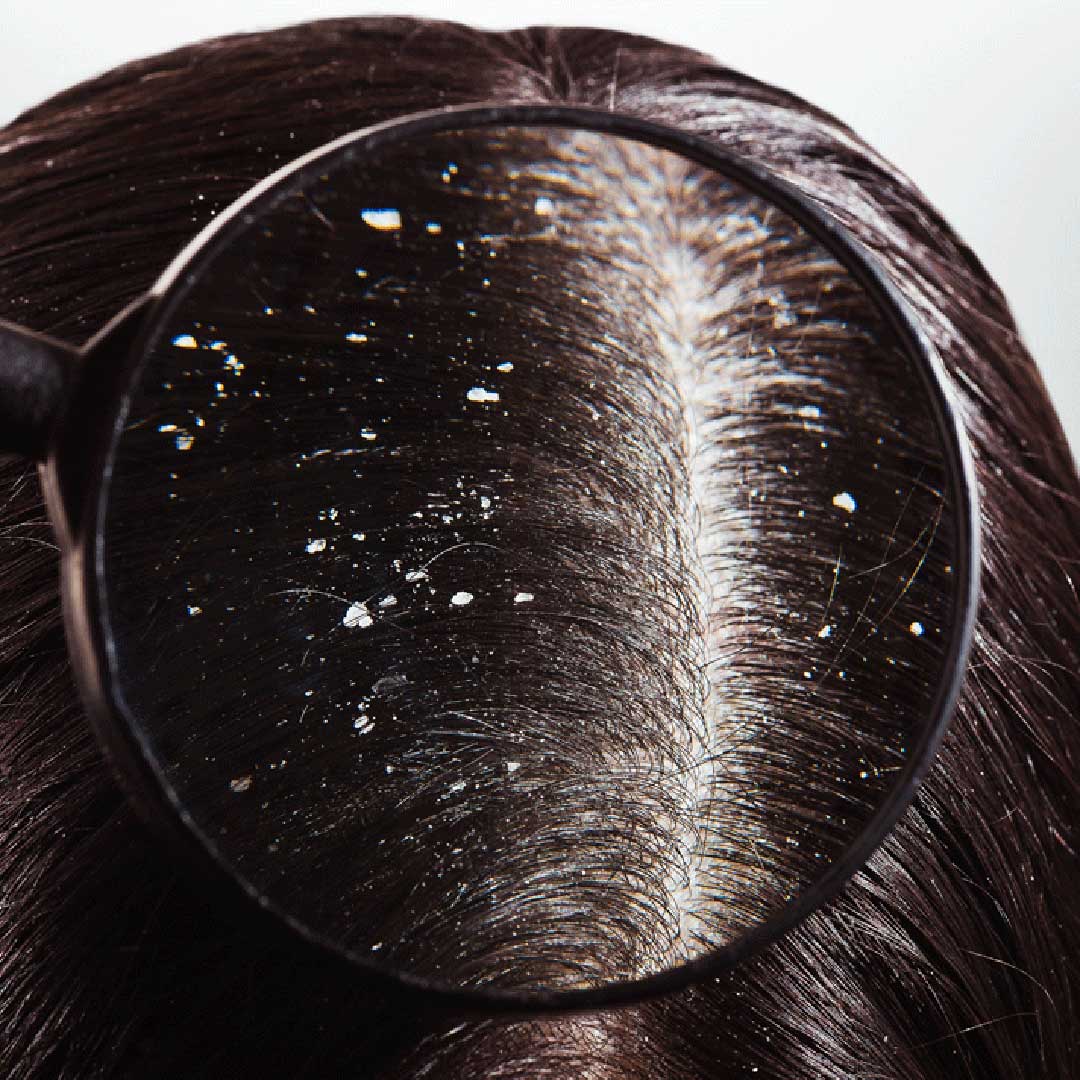
Find out simple ways and measures to remove dandruff and get rid of itchiness for good
Tired of extreme itchiness and flakiness in your scalp? Do you feel dryness in your head and extreme irritation around your face and head? If yes, then you suffer from dandruff, which is a skin condition. It is so common that almost 50 percent of people go through this condition at least once in their lifetime. Dandruff is often confused with a fungal disease, but that’s not correct. It isn’t caused by any bacteria, so to consider it a bacterial infection is also wrong.
Different Dandruff causes
Dandruff isn’t the same for everyone. Some people suffer from mild or seasonal dandruff that vanishes with time with the dimples of home remedies, but some people go through an extreme form of dandruff that is mostly incurable and requires anti-dandruff shampoos and steroids to treat it properly.
Some people generally just inherit dandruff as it kind of runs in their genes.
The causes of dandruff may vary, but one of the most common causes is extreme oil production in the scalp, which leads to lots of flakiness, greasiness and itching. People with oily skin tend to suffer from dandruff more than people with normal skin. Sweat and oil buildup can worsen dandruff, especially if you exercise regularly. Following a proper post-workout scalp care routine can help prevent flakes and irritation.
Dandruff can also be caused by what we eat or consume. Dry milk used in tea is also one of the reasons people suffer from dandruff, regardless of the season. Taking hot showers regularly in the winter can also cause dry scalp and an increase in itchiness in the head.
Babies also suffer from dandruff in their first year, but it’s temporary, and it settles down in a few months. To say that dandruff has one single cause is a completely wrong fact.
ALSO READ
Mistakes You Might Be Making If You Have Thin Hair
Dandruff can be tackled by various dandruff treatments depending on the intensity of the condition. Below we have listed for you some easily available and effective home remedies to get rid of dandruff without spending a lot. Remember, these remedies might not work for you if you suffer from extreme dandruff in your hair. For that, you will have to see a dermatologist and get treated properly.
How to get rid of dandruff?
- Coconut oil
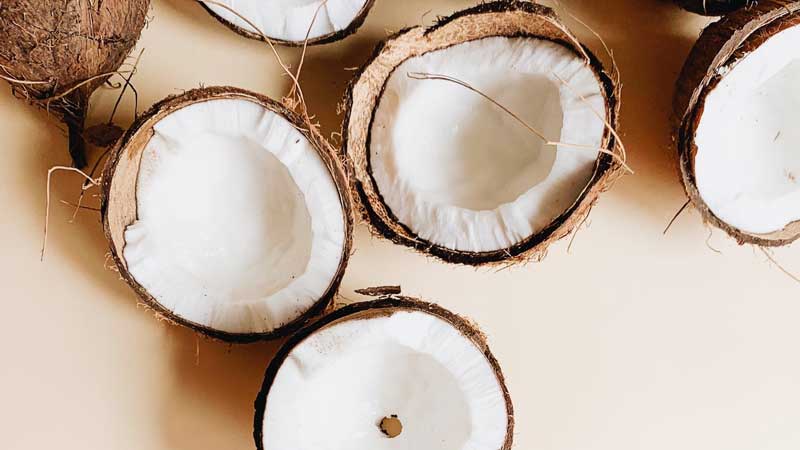
Coconut oil is known for its hydrating properties. It prevents dryness and provides skin hydration, thus helping in preventing dandruff. Massage your scalp with coconut oil twice or thrice a week to get rid of flakiness and itching for a long time.
- Tea tree oil
Tea tree oil is known to have anti-inflammatory properties, which is great to treat acne and also dandruff in hair. Tea tree oil has been tested to treat greasiness and itchiness caused by dandruff, and it has proven to be quite effective.

You can use tea tree oil by mixing it with a carrier oil such as olive oil and then massaging it on your scalp for 20 to 30 minutes. Do this twice every week and wash it off with mild warm water later.
- Aloe Vera
Aloe Vera is known to be quite effective for dandruff. Aloe Vera has an anti-inflammatory property that tackles dandruff and dryness very well. It also has antibacterial and antifungal properties that make it an excellent ingredient to fight against dandruff.
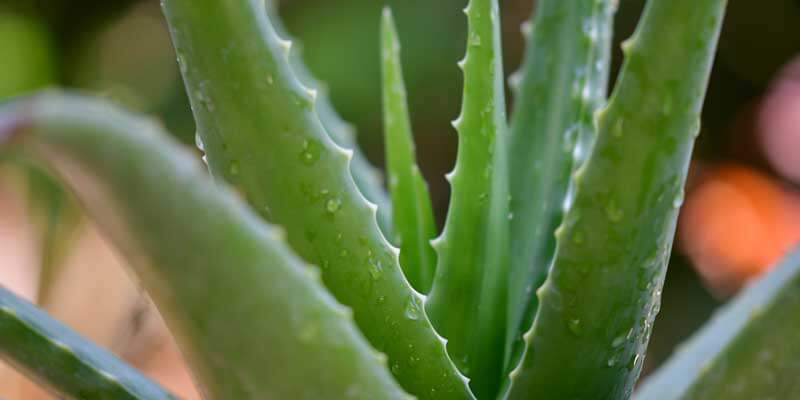
Aloe Vera gel mixed in olive oil can be applied to your scalp every week to reduce dandruff over time.
- Shampoo regularly

People who do not shampoo enough are much more prone to suffering from dandruff. Increasing the number of times you shampoo your hair in a week can also help in treating dandruff.
- Apple Cider Vinegar
This is considered a magic potion to treat various issues such as acne and weight loss. The acidity in the vinegar can help shed dead cells from the scalp, which helps in preventing dandruff.
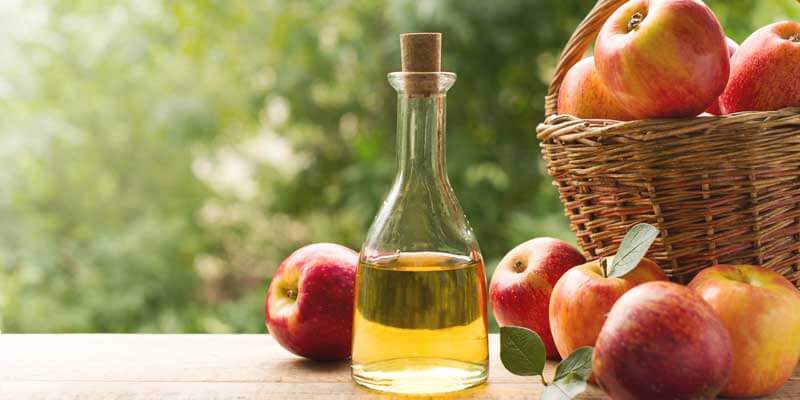
The use is very simple. Add a few tablespoons of apple cider vinegar to your shampoo or mix it with the hair oil you use. You can also spray the vinegar directly onto your hair.
- Baking soda

Always present in your kitchen, baking soda has antifungal properties that can help fight against dandruff. All you have to do is just massage your wet hair with baking soda and then wash your hair with mild warm water later on.
ALSO READ
Winter Beauty Problems and Their Solutions
- Yogurt and Honey massage
You might know that yogurt and honey are both excellent hydrants and provide lots of moisturization when applied. A teaspoon of honey mixed in a bowl of yogurt makes a perfect paste to massage your head with. Both of them curb down dandruff by killing the dryness in your scalp. Apply this mixture thrice a week, and you will not only feel relaxed, but your itching and greasiness will be gone for good.

These home remedies are effective, but as discussed above, there are different types and intensities of dandruff and not every intensity can be treated by these home remedies.
For extreme dandruff, a regular checkup with a dermatologist is required. Various anti-dandruff shampoos and lotions are prescribed, which you can’t buy otherwise. Some people are even prescribed steroids to take with extreme dandruff. So it’s always good to understand the type of dandruff you suffer from before you search out its treatment.
Prevention is better than a cure
People who suffer from dandruff can practice a few lifestyle changes to prevent dandruff in the first place. Good skin and hair hygiene prevent dandruff from rising to increased intensity. If you think your scalp dries up really quickly, oiling regularly can also help in preventing dandruff.
We will be honest, dandruff is not curable, but it can be controlled. The best way to control any skin condition is to know the cause, for example, maybe it is something you are consuming that’s causing all the dryness, or maybe it’s a shampoo that isn’t working well for you. When you figure out the cause, you can choose a better solution to treat dandruff. There is nothing you should be worried about because, like anything else, dandruff can also be controlled with correct measures.
Frequently Asked Questions – Seasonal Dandruff
Seasonal dandruff refers to a flaky scalp that worsens during certain weather changes, especially in cold or dry seasons.
Changes in humidity and temperature, dry air, lack of scalp moisture, and overgrowth of yeast (Malassezia) can trigger seasonal dandruff.
If your flakes, itchiness, and dryness worsen only in particular seasons (e.g., winter), it’s likely seasonal dandruff.
Popular remedies include coconut oil massages, aloe vera gel, apple cider vinegar rinses, and regular scalp brushing.
Shampoos containing zinc pyrithione, ketoconazole, salicylic acid, or selenium sulfide help reduce dandruff when used as directed.
It depends on your scalp type, generally 2-3 times per week with an anti‑dandruff shampoo for best results.
Yes, a diet rich in omega‑3 fatty acids, probiotics, and hydration can support scalp health and lessen dandruff.
Stress can disrupt your immune system and worsen scalp flaking, so stress management may help improve symptoms.
Yes, oils like tea tree oil (diluted), coconut oil, and argan oil can soothe dryness and reduce flakiness when used properly.
Sometimes mild dandruff eases when the weather changes; however, consistent care usually helps prevent recurring flakiness.
Yes, if your dandruff is severe, persistent, or accompanied by severe itching or irritation, a dermatologist can recommend stronger treatments.
Yes, products with harsh chemicals, heavy styling products, or build‑up can irritate your scalp and contribute to flakiness.
