
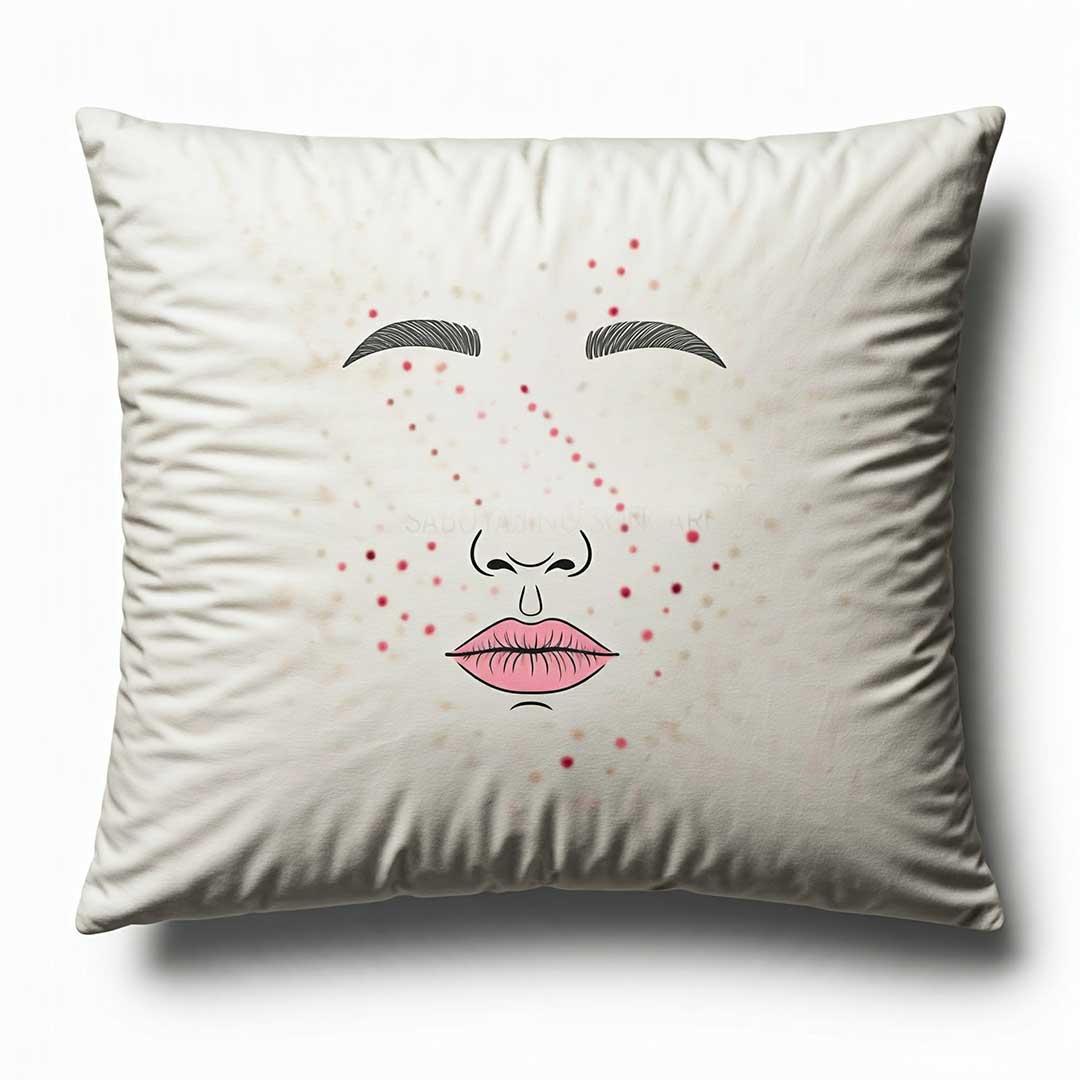
We’ve all been there: waking up in the morning, checking the mirror, and noticing a breakout, or dry, irritated skin that wasn’t there the night before. It’s frustrating, especially when you’ve been diligent about your skincare routine. But what if the culprit isn’t your moisturizer or cleanser? What if it’s something as simple as your pillowcase?
Yes, your pillowcase. That comfy, cozy fabric you lay your head on every night might be undermining all the hard work you’re putting into your skincare routine. Sounds surprising, right? Let’s dive into how your pillowcase might be secretly sabotaging your skin—and what you can do to fix it.
The Dirty Pillowcase Dilemma
Think about it: your pillowcase is where you rest your face for hours at a time, night after night. Over time, it collects oil, sweat, makeup residue, dead skin cells, and even hair products. Gross, right? All that build-up can create a breeding ground for bacteria, which can easily transfer to your skin while you sleep. Have you ever woken up with random breakouts that seem to come out of nowhere? That could be your pillowcase’s doing.
When was the last time you changed your pillowcase? If it’s been a while, there’s a chance it’s not as clean as you’d like to think. Even if you’re diligent about washing your face before bed, all those nightly impurities end up sticking to your pillowcase, waiting for the next night’s sleep to transfer back onto your freshly cleaned skin.
The Fabric of Your Pillowcase Matters More Than You Think
The type of pillowcase you use can also play a big role in your skin’s health. Cotton pillowcases, which are the most common, tend to absorb moisture and oils from your skin. This might not sound like a big deal, but when your skin loses moisture overnight, it can become dehydrated, leading to dryness and irritation. Over time, this could make it harder for your skincare products to do their job.
Not only that, but cotton can be rough on your skin, especially if you toss and turn at night. The friction caused by your face rubbing against the pillowcase can lead to irritation, inflammation, and even fine lines (yes, those dreaded “sleep wrinkles”).
Have you noticed your skin feeling drier in the morning? Your pillowcase could be one of the reasons why!
Silk or Satin: Your Skin’s Best Friend?
If you’re serious about improving your skin’s health, it might be time to upgrade to a silk or satin pillowcase. Unlike cotton, silk and satin are smooth and non-absorbent. This means less friction on your skin, which can reduce irritation and help prevent wrinkles.
Silk pillowcases are also less likely to absorb your skincare products, which means that the expensive night cream you just applied is more likely to stay on your skin where it belongs, rather than soaking into your pillow. Plus, silk is naturally hypoallergenic, making it a great option if you have sensitive skin or allergies.
ALSO READ
Best Night Creams for Dry, Normal & Oily Skin Types
Have you ever tried a silk pillowcase? It might seem like a luxury, but the benefits for your skin could be well worth it.
How Often Should You Change Your Pillowcase?
Let’s be real: life gets busy, and changing your pillowcase probably isn’t at the top of your to-do list. But if you’re dealing with skin issues, it might be time to reconsider. Dermatologists recommend changing your pillowcase at least once a week, but if you have acne-prone or oily skin, twice a week might be even better.
Think of your pillowcase like your clothes. You wouldn’t wear the same outfit for days in a row without washing it, right? The same should apply to your pillowcase. Keeping it fresh can make a noticeable difference in the appearance and health of your skin.
How often are you changing your pillowcase? If it’s not regularly, this small change could help your skin feel a whole lot better.
Additional Tips to Protect Your Skin While You Sleep
Here are a few other easy tips to keep your skin happy overnight:
- Wash your face before bed: It sounds obvious, but skipping this step can lead to all kinds of skin problems. Cleansing removes dirt, oil, and makeup that could end up on your pillowcase.
- Keep your hair clean: Hair products, oils, and dirt can transfer to your pillowcase and then onto your skin. Try washing your hair regularly, especially if you use heavy styling products.
- Sleep on your back: If you’re a side or stomach sleeper, it might be time to switch it up. Sleeping on your back prevents your face from pressing into the pillow and minimizes the chances of friction and irritation.
Is Your Pillowcase Sabotaging Your Skin?
If you’ve been struggling with skin issues and feel like you’ve tried everything, it might be time to take a closer look at what’s happening while you sleep. Your pillowcase could be the missing piece of the puzzle, and the good news is, it’s an easy fix.
Switching to a silk or satin pillowcase, changing it more frequently, and keeping your face and hair clean before bed could make all the difference in keeping your skin looking clear, smooth, and healthy.
So, the next time you notice a pesky breakout or dry patch, don’t be so quick to blame your skincare routine.
Ask yourself: could my pillowcase be part of the problem? Making a few small changes could be the key to waking up with the glowing, healthy skin you’ve been working so hard for!
If you’ve ever had a “pillowcase” revelation or found a specific pillowcase that worked wonders for your skin, feel free to share it in the comments! We’d love to hear what works for you.
